Sewer hydrojetting

Sewer hydrojetting in Grandview, TX

High-pressure water through specialty nozzles clears the line, with no chemicals in your pipes.

What clogs a sewer line

A line fills slowly. Sludge and grime coat the walls, mineral deposits harden along them, grease settles in, and roots find a joint and work their way in. Out in the yard, the field line can pick up obstructions of its own.

If snaking isn't getting rid of your blockage, the buildup is still on the pipe walls and the drain needs more than a quick pass. Missed preventative maintenance and stubborn roots are the usual reasons it comes back.

Look first, then jet

Before any pressure goes on, the master plumber assesses the drainage pipe. A previous root invasion can damage the pipe and its protective sock, and you want to know that before the hose goes in.

Charlie Mitchell's crew answers your questions as they go, so you know what the line looks like before anyone starts. A licensed plumber is on every job at the Grandview shop.

Pressure, not chemicals

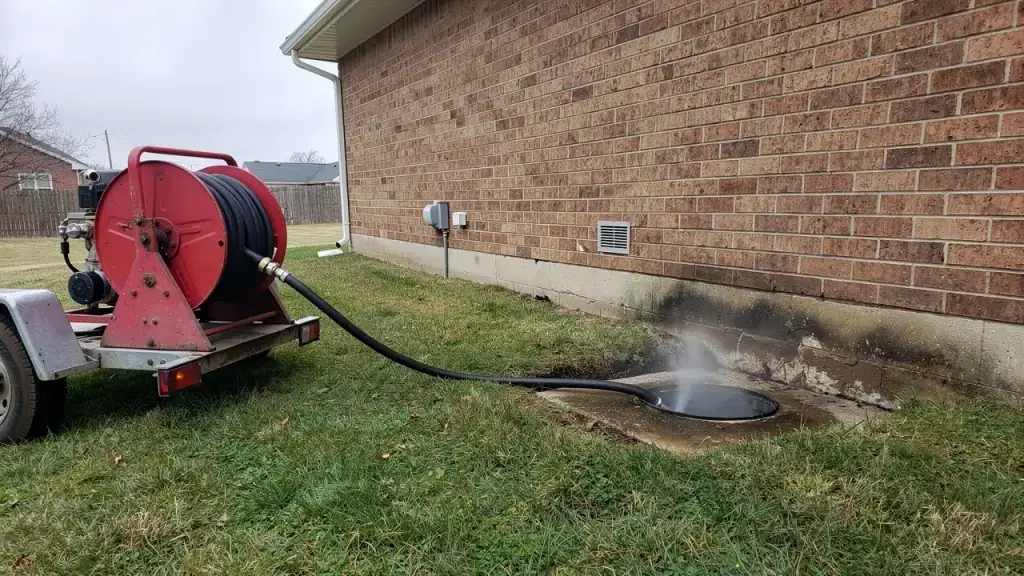
Once the line checks out, high-pressure water goes through specialty nozzles. It cuts through roots, lifts and removes grease, and scours organic material off the walls, which restores the pipe to full capacity.

No chemicals are involved, so it's a safe procedure for your pipes, and it lasts, which cuts the number of service calls you end up making. We run it on small jobs and large-scale work. Call or text (817) 648-9946.

If the line is broken rather than blocked, water won't fix it. That's when the backhoe comes in: tunneling and excavation to dig down to the line that failed.

Hydrojetter hose reel feeding a sewer cleanout

Hydrojetter hose reel feeding a sewer cleanout

There is always a licensed plumber on every job. Call or text (817) 648-9946.

To see inside a pipe before it gets jetted, ask about a fiber optic camera inspection of the line, and when digging is the answer, the backhoe work is part of our residential plumbing for homes around Grandview.